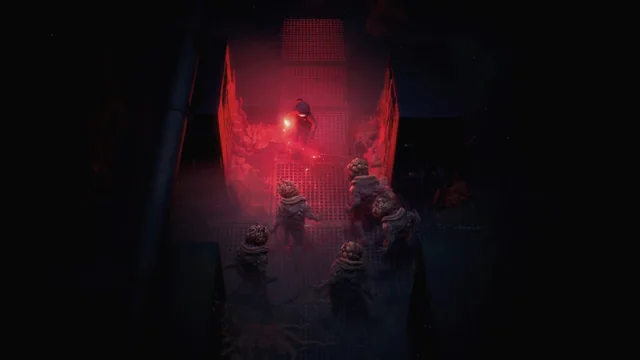
Weapon upgrades are bought at Workbenches in Safe Rooms with Fragments plus world materials: 20 Complex Alloy raise stats, 6 Weapon Modules add new effects, and one Laser Charging Module upgrades the Particle Disruptor. Upgrade the Pulse Gun first, then the Riot Breaker; leave the late optional guns for the post-game. Update 1.016 made ammo and item crafting cheaper, so you can spend more Fragments on upgrades.
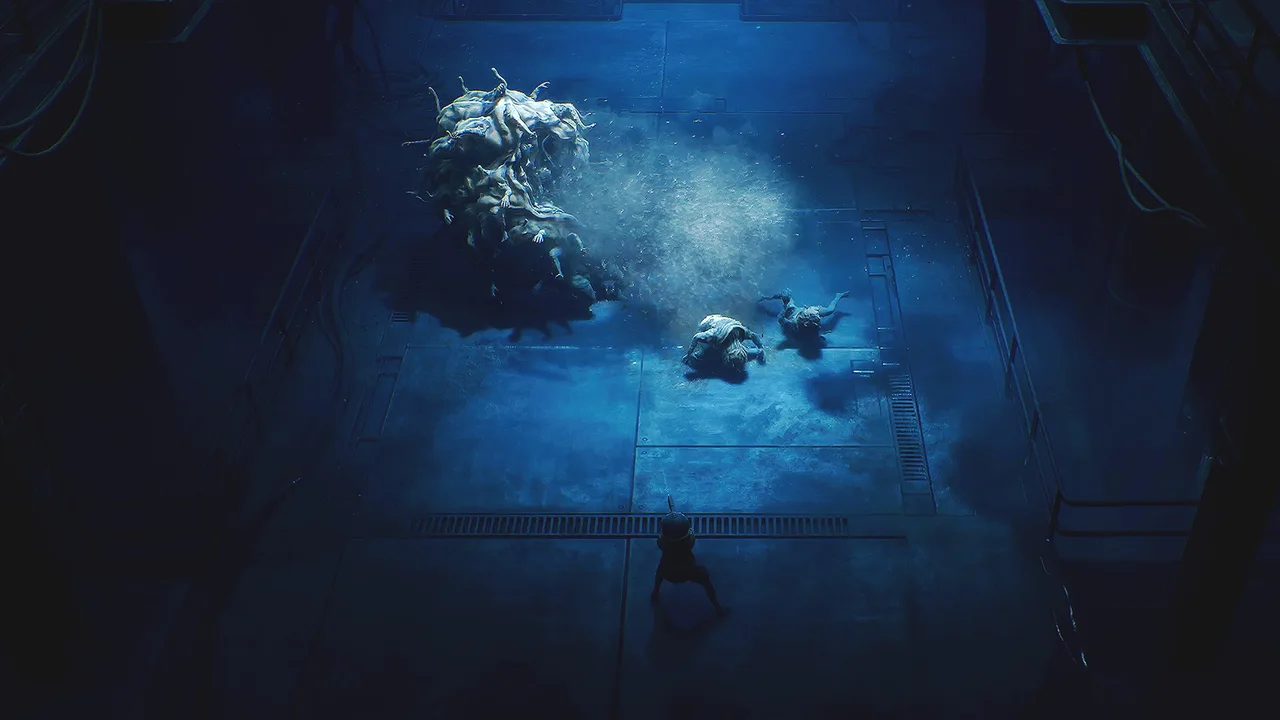
How upgrading works
| Part | Confirmed detail |
|---|---|
| Currency | Fragments, from enemy bodies, chests and (since 1.016) crates |
| Stat material | Complex Alloy: 20 in the world, none missable |
| Effect material | Weapon Modules: 6, each adds a new effect to a weapon |
| Unique material | Laser Charging Module: 1, for the Particle Disruptor |
| Where | Workbenches in Safe Rooms, next to Restoration Pods |
| Upgradeable weapons | All six guns; the Scanner is upgraded separately |
| Experience points | None; growth comes from gear and Suit Mods |
You carry two weapons at a time, so upgrades only pay off on the guns you actually equip. Fully upgrading one weapon unlocks Power Up; every weapon at max unlocks Super Power, and the Particle Disruptor's module unlocks Overload. Suit upgrades are separate: they use Energy Cells and Vault Keys, covered in the Suit Mods guide.
Why there is no XP
The developers chose gear over grinding. In the official "Meet the Creators" video, they said upgrading your character or gear, or finding new gear, is more rewarding than grinding for experience points. The Xbox Store description echoes this: you must upgrade your gear and adapt to survive.
Early upgrade priorities
Exact costs per tier have not been published. These priorities follow from which weapons the walkthrough and boss strategies rely on.
- Pulse Gun first. Its ammo is infinite, so it is used in every fight and every upgrade pays off.
- Riot Breaker second. It is the main boss weapon; keep shells stocked before every boss.
- Security Rifle if you carry it. Worth it for armored enemies; otherwise skip until the post-game.
- Late guns last. The Support Gun and Particle Disruptor only matter for Super Power and Overload.
- Grenades and flares are consumables, not upgrades: craft a few before new areas.
Why the pistol comes first
Previewers and reviewers leaned on the pistol more than anything else, and toptoplay called it a pea shooter on its own. That combination, constant use and low base power, makes it the most valuable thing to improve. Ammo weapons are for dire situations, so an upgrade on a gun you fire three times per area gives little return.
Getting more fragments
- Scan rooms: the Scanner highlights lootable resources.
- Loot bodies and chests as you explore.
- Check weak walls for hidden caches.
- Remember that enemies respawn when you save or die: more bodies to loot, but more risk.
See the Scanner guide and all secrets.
A workbench routine
Workbenches sit in safe rooms with save points, so every rest is a chance to spend. Check whether you can afford a pistol upgrade first, then top up shotgun shells and flares. Then rest to refill healing, keeping in mind that resting respawns most enemies.
Before bosses, spend more on ammo and consumables. Level designers place save points near bosses, so the nearest workbench is usually close.
Not known yet
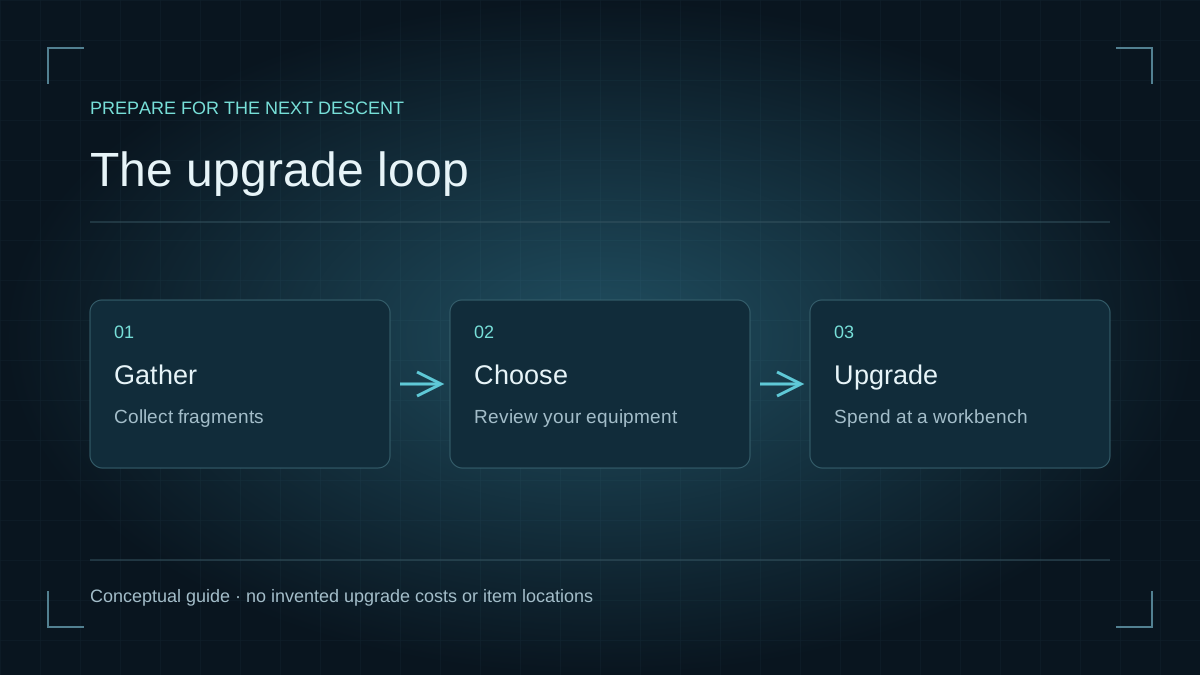
The number of upgrade tiers per weapon and their exact Fragment costs have not been published by the developer, and we do not list invented values. What is known: 20 Complex Alloy, 6 Weapon Modules and 1 Laser Charging Module are enough to max every weapon, and none of them can be missed.
Fragments, risk and reward
The fragment economy is tied to the save system. Resting at a save point respawns most enemies, which means more bodies to loot for fragments. It also means the route ahead is dangerous again.
Dying doesn't take away what you have found, so a failed push is not a total loss. The balance to strike is between farming respawned enemies and pushing into new areas where hidden caches wait.
Spending plan by situation
| Situation | Spend on |
|---|---|
| Early game | Pulse Gun upgrade, a few flares |
| Before a new area | Riot Breaker shells and flares |
| Before a boss | Riot Breaker shells, grenades, a full heal at the Restoration Pod |
| Found Complex Alloy | Pulse Gun, then Riot Breaker |
| Found a weak wall | Nothing yet; tag it and return with explosives |
Frequently asked questions
Can I upgrade the shotgun?
Yes. The Riot Breaker uses Complex Alloy and Weapon Modules like the other guns.
Where is Complex Alloy?
Twenty pieces are spread across every sector, from Habitation F1 to Infirmary B1. Many sit behind weak walls, so scan rooms and see all secrets.
Do I lose fragments when I die?
No. You keep everything you picked up, but ammo and explosives used before dying are not refunded, and Fragments you spent stay spent. Craft right before a boss, not long before.
Where are workbenches?
In Safe Rooms alongside Restoration Pods, one per Safe Room. The first one, in the Habitation Sector, is inactive when you arrive. See the map guide.
This page only uses details from official store pages, developer statements and hands-on press previews. Anything unconfirmed before the October 1, 2026 launch is left out and will be added once verified. Last research pass: October 13, 2026.
Sources
References and further reading for this article.